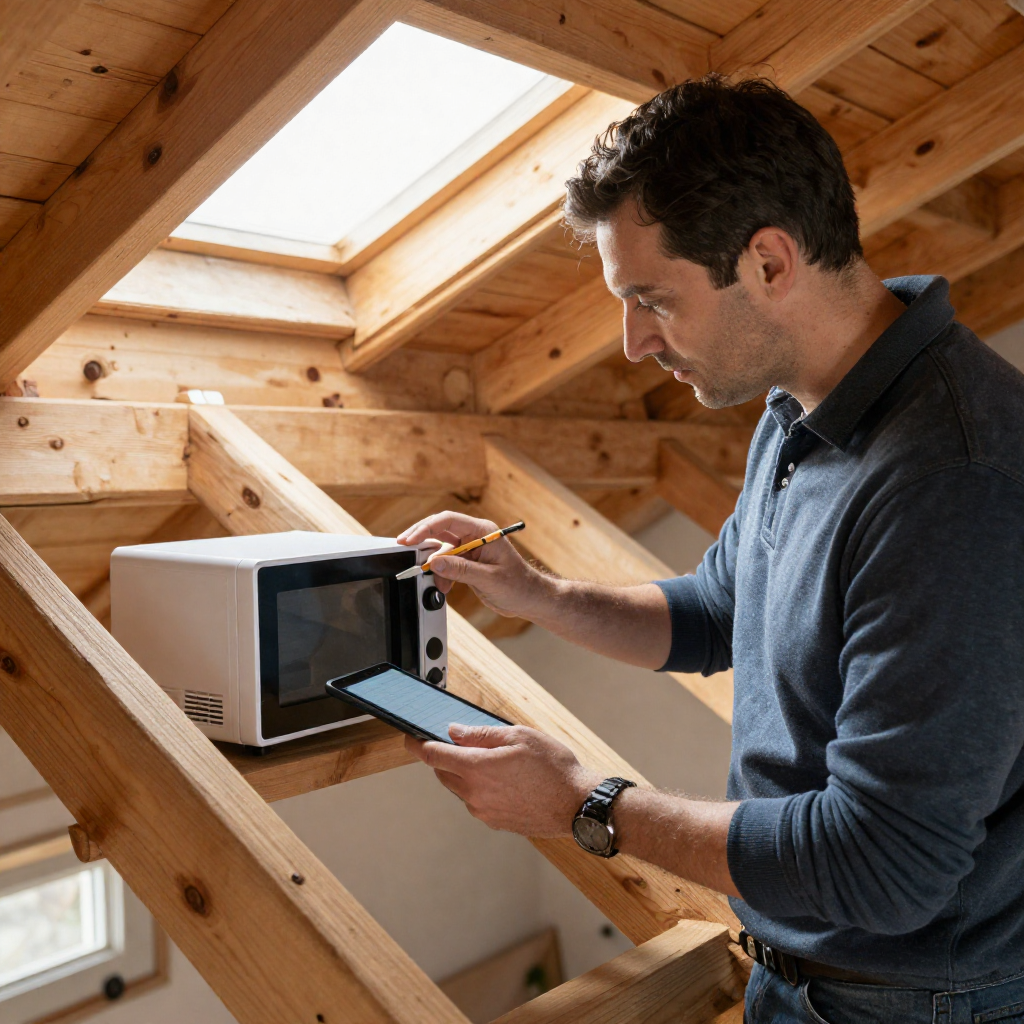
Discovering woodworm in your home often raises one immediate question: How much will treatment cost? The answer depends on several factors, including whether the infestation is active, the type of wood-boring beetle involved, the size of the affected area, the condition of the timber, and the treatment method selected.
It’s important to remember that the cheapest option is not always the most cost-effective. Delaying treatment can allow an active infestation to spread, potentially leading to expensive structural repairs. On the other hand, treating old, inactive woodworm unnecessarily can result in avoidable costs. An accurate inspection is the best way to determine what work, if any, is actually required.
In this guide, we’ll explain the factors that influence woodworm treatment costs, compare common treatment methods, and show why early detection can save money over the long term.Visit https://www.shashel.eu online for more details.
What Determines the Cost of Woodworm Treatment?
Several factors affect the overall cost of treatment.
These include:
- Whether the infestation is active
- The wood-boring beetle species
- Size of the affected area
- Accessibility of the timber
- Structural condition
- Type of treatment selected
- Whether repairs are required
Every property is different, so costs vary from one situation to another.
Active vs. Historic Infestations
One of the biggest factors influencing cost is whether the infestation is currently active.
Active Infestation
An active infestation may require:
- Professional inspection
- Pest treatment
- Follow-up monitoring
- Possible timber repairs
Historic Infestation
Old exit holes alone do not necessarily require treatment.
If the infestation is no longer active, ongoing monitoring and routine maintenance may be sufficient.
Treating inactive damage unnecessarily increases costs without providing additional benefits.
Size of the Infested Area
The amount of affected timber influences both labor and treatment requirements.
Examples include:
- A single furniture item
- One roof beam
- Several floor joists
- An attic roof structure
- Multiple structural timbers
Larger treatment areas generally require more time and resources.
Beetle Species Matters
Different wood-boring beetles require different treatment approaches.
Common species include:
- Common Furniture Beetle
- Deathwatch Beetle
- House Longhorn Beetle
- Powderpost Beetles
Correct species identification helps ensure the most appropriate treatment is selected.
Condition of the Timber
Treatment alone may not be enough if timber has already suffered significant structural deterioration.
Additional work could include:
- Timber repairs
- Partial replacement
- Structural reinforcement
- Moisture remediation
Early treatment often helps avoid more extensive repairs.
Moisture Problems Can Increase Costs
Some wood-boring beetle species are more likely to infest damp timber.
If moisture problems are discovered, additional work may involve:
- Roof leak repairs
- Plumbing repairs
- Improved ventilation
- Condensation control
- Drainage improvements
Correcting the source of moisture helps reduce the likelihood of future infestations.
Common Woodworm Treatment Options
Professional treatment may include:
- Approved chemical treatments
- Localized timber treatments
- Heat-based treatment technologies
The best option depends on the property and the nature of the infestation.
Microwave Woodworm Treatment
One increasingly popular chemical-free option is microwave woodworm treatment.
Professional microwave equipment uses dielectric heating to generate controlled heat inside timber.
The treatment is designed to eliminate:
- Woodworm larvae
- Beetle eggs
- Pupae
- Adult wood-boring beetles
Benefits
- Chemical-free
- No pesticide residues
- Localized treatment
- Environmentally responsible
- Minimal disruption
- Suitable for many heritage buildings
- Helps preserve original structural timber
Microwave treatment may be especially suitable where preserving original wood or reducing chemical use is a priority.
Why Professional Inspection Is Worth the Cost
A professional inspection helps determine:
- Whether woodworm is active
- Which beetle species is involved
- The extent of damage
- Whether structural repairs are needed
- Which treatment method is most appropriate
Accurate diagnosis helps homeowners avoid unnecessary work and expense.
Early Detection Saves Money
Routine inspections often reduce long-term costs.
Early detection can help prevent:
- Extensive structural repairs
- Large-scale timber replacement
- Moisture-related deterioration
- More complex pest management
Small problems are generally less expensive to address than advanced infestations.
Comparing Treatment Approaches
| Treatment Option | Suitable For | Main Advantages |
|---|---|---|
| Chemical Treatments | Many active infestations | Proven protection when properly applied |
| Microwave Treatment | Suitable localized active infestations | Chemical-free and targeted treatment |
| Preventive Maintenance | All timber structures | Reduces the likelihood of future infestations |
The most suitable option depends on the property’s condition and inspection findings.
Factors That Influence Overall Costs
Overall project costs may increase when:
- Large structural areas are affected.
- Timber is difficult to access.
- Repairs are required.
- Moisture problems must be corrected.
- Heritage preservation requirements apply.
- Multiple pest issues are present.
A detailed inspection provides the most accurate assessment.
Common Mistakes to Avoid
Avoid these common errors:
- Choosing treatment based on price alone.
- Ignoring fresh frass or new exit holes.
- Delaying inspections after discovering damage.
- Treating inactive infestations unnecessarily.
- Overlooking moisture problems.
Investing in an accurate diagnosis often prevents larger expenses later.
Common Myths About Woodworm Treatment Costs
Myth 1: Every Exit Hole Requires Immediate Treatment
Fact: Exit holes may remain visible long after beetles have emerged. An inspection is needed to determine whether the infestation is still active.
Myth 2: The Cheapest Treatment Is Always the Best Value
Fact: The most appropriate treatment depends on the infestation, timber condition, and long-term preservation goals—not simply the initial price.
Myth 3: Treatment Costs More Than Prevention
Fact: Routine inspections and preventive maintenance are generally much less expensive than repairing extensive structural damage caused by untreated infestations.
Conclusion
The cost of woodworm treatment depends on much more than the treatment itself. Factors such as the size of the infestation, beetle species, timber condition, accessibility, moisture problems, and the chosen treatment method all influence the final cost. Most importantly, an accurate inspection ensures that homeowners only pay for the work that is genuinely needed.
By detecting infestations early, maintaining dry timber, and carrying out regular inspections, homeowners can significantly reduce the likelihood of expensive structural repairs. When an active woodworm infestation is confirmed, both traditional chemical treatments and modern microwave woodworm treatment can provide effective solutions, depending on the specific circumstances. Choosing the right approach protects your investment while helping preserve valuable timber for years to come.